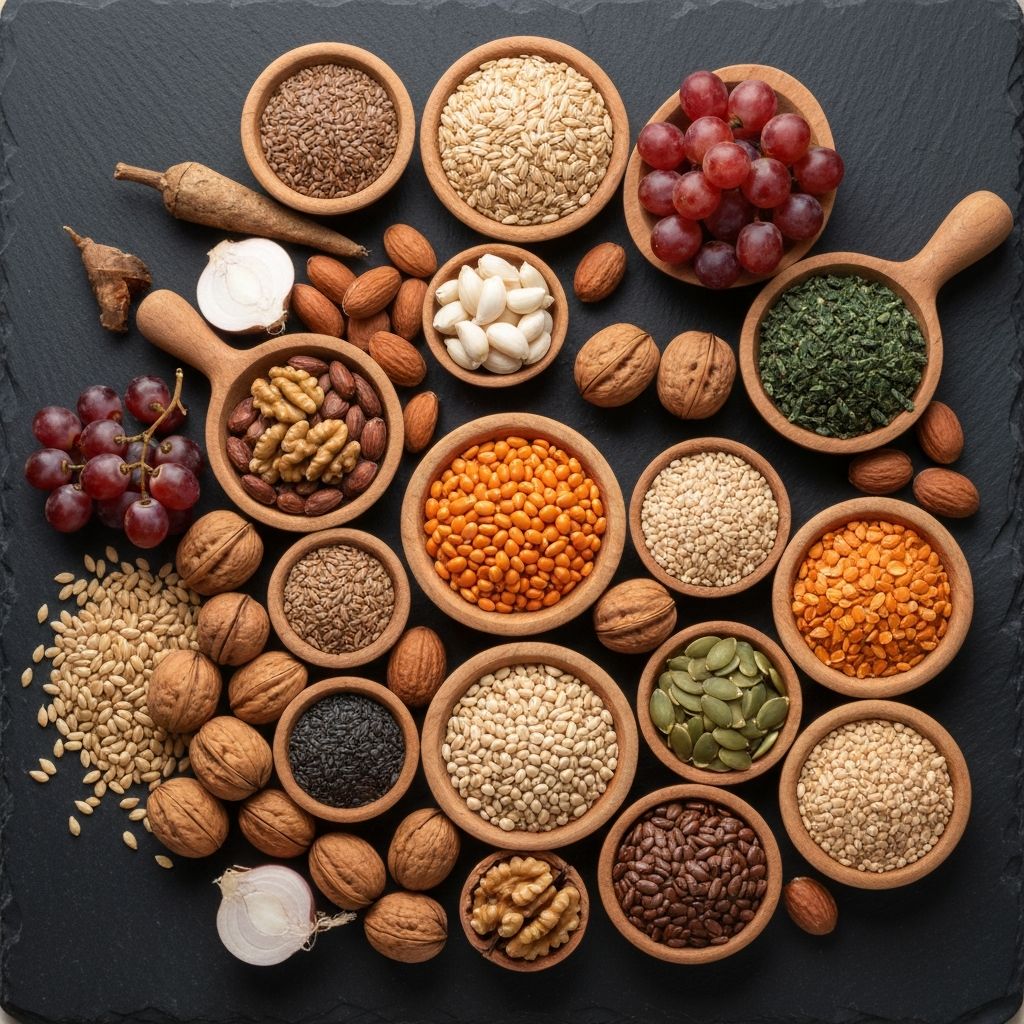
Understanding Wholesome Nutrition for Everyday Well-being
An independent exploration of food groups, macronutrients, micronutrients, culinary traditions, and the principles that shape our understanding of a balanced dietary life.
Explore Dietary FrameworksFundamental Food Groups Explored
Nutritional science organizes foods into broad categories that reflect shared characteristics in composition and the roles these foods play within a varied diet. Understanding these groupings offers a foundation for interpreting dietary patterns observed across populations and research traditions.
Each category is defined not by a strict hierarchy of value, but by its general nutrient profile and the functional contribution it is understood to make when part of a diverse intake. The categories below represent a widely referenced framework in nutritional education.

Fruits
Naturally sweet or tart plant products, generally rich in natural sugars, water content, dietary fiber, and a range of vitamins and phytonutrients.
Vegetables
A broad category encompassing roots, leaves, stems, and flowers. Valued for fiber content, minerals, and diverse micronutrient profiles.
Whole Grains
Grains retaining bran, germ, and endosperm. Commonly associated with complex carbohydrates, B vitamins, and dietary fiber in nutritional literature.
Protein Sources
Encompasses legumes, pulses, nuts, seeds, eggs, and various animal products. Protein is fundamental to cellular structure and enzymatic function.
Dairy and Alternatives
Includes milk-derived products and plant-based substitutes. Often discussed in context of calcium, phosphorus, and protein content.
Healthy Fats
Oils, avocados, fatty fish, and certain seeds provide unsaturated fatty acids discussed in relation to cellular membrane integrity and fat-soluble vitamin transport.
Macronutrients: Energy and Building Blocks
The three primary macronutrients—carbohydrates, proteins, and fats—form the caloric and structural foundation of the human diet. Each serves distinct physiological purposes and appears in a wide variety of natural food sources.
Carbohydrates
Carbohydrates are organic compounds composed of carbon, hydrogen, and oxygen. They are the body's most immediate source of energy, converted to glucose through digestion. Complex carbohydrates, found in whole grains, legumes, and vegetables, are characterized by longer molecular chains and are digested more gradually than simple sugars. Dietary fiber, a subset of carbohydrates, is not fully digested but plays a recognized role in gastrointestinal function according to nutritional research.
Proteins
Proteins are large, complex molecules made up of amino acid chains. They are involved in virtually every biological process, from forming structural components like muscle and connective tissue to functioning as enzymes, hormones, and immune agents. The body can synthesize some amino acids internally; others, termed essential amino acids, must be obtained through dietary intake. Animal products, legumes, nuts, and seeds are among the commonly discussed dietary protein sources.
Fats (Lipids)
Dietary fats serve as a concentrated energy source and are essential for the absorption of fat-soluble vitamins (A, D, E, and K). They contribute to cell membrane composition and are precursors to several hormones and signaling molecules. Nutritional science distinguishes between saturated and unsaturated fats based on their chemical structure, with unsaturated fats—found in olive oil, nuts, and fatty fish—being prominently featured in many dietary research frameworks.
Micronutrients: Vital Components for Function
Vitamins and minerals, collectively referred to as micronutrients, are required in comparatively small quantities but are recognized as essential for a broad range of physiological functions. They do not provide calories but participate in metabolic pathways, cellular communication, and structural processes.

Vitamin C & Citrus Sources
Ascorbic acid (Vitamin C) is found in citrus fruits, bell peppers, and leafy greens. It participates in collagen synthesis and is discussed extensively in immune function research. It is water-soluble and not stored in the body in significant quantities.

Leafy Greens & Mineral Density
Dark leafy vegetables such as spinach, kale, and chard are associated with iron, calcium, magnesium, and Vitamin K content in nutritional literature. These minerals are involved in bone structure, oxygen transport, and muscle function.
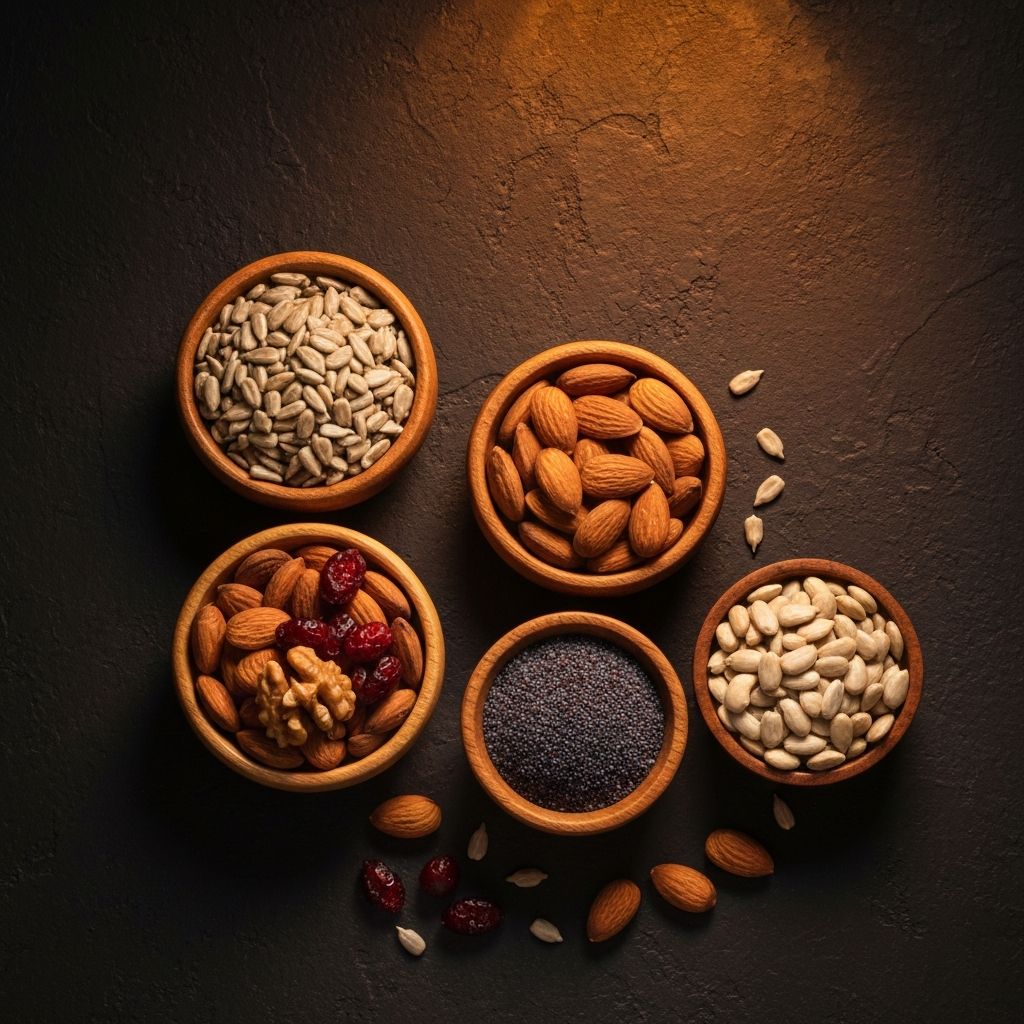
Nuts, Seeds & Fat-Soluble Vitamins
Nuts and seeds contain Vitamin E, an antioxidant-associated fat-soluble nutrient, along with zinc, selenium, and magnesium. They appear frequently in discussions of dietary fat quality and trace mineral intake across nutritional research traditions.
The Role of Hydration in Wellness
Water is the primary constituent of the human body and participates in nearly every physiological process. Understanding hydration as a concept involves examining how water functions at a cellular and systemic level.
Cellular Function and Nutrient Transport
Water acts as the solvent in which biochemical reactions occur, facilitating the transport of nutrients across cell membranes and the removal of metabolic byproducts. Blood plasma, largely composed of water, carries oxygen, hormones, and nutrients to tissues throughout the body.
Temperature regulation is one of the most discussed functions of water in physiology. Perspiration and respiration are primary mechanisms through which the body releases heat, both processes that depend on adequate water availability. Disruptions to this system are documented in medical and sports science literature as conditions related to heat imbalance.
From a digestive perspective, water participates in the breakdown of food through hydrolysis and facilitates the movement of material through the gastrointestinal tract. Saliva, gastric juices, and intestinal secretions are water-based fluids that form the medium of the digestive environment.
"Water's role extends beyond simple hydration: it is the medium through which life’s chemical processes are expressed."
Exploring Diverse Culinary Traditions & Nutrition
Dietary patterns observed across different cultures illustrate the variety of ways in which populations have historically organized their food intake. These traditions, developed over centuries, reflect local ecology, agricultural history, and social structure.
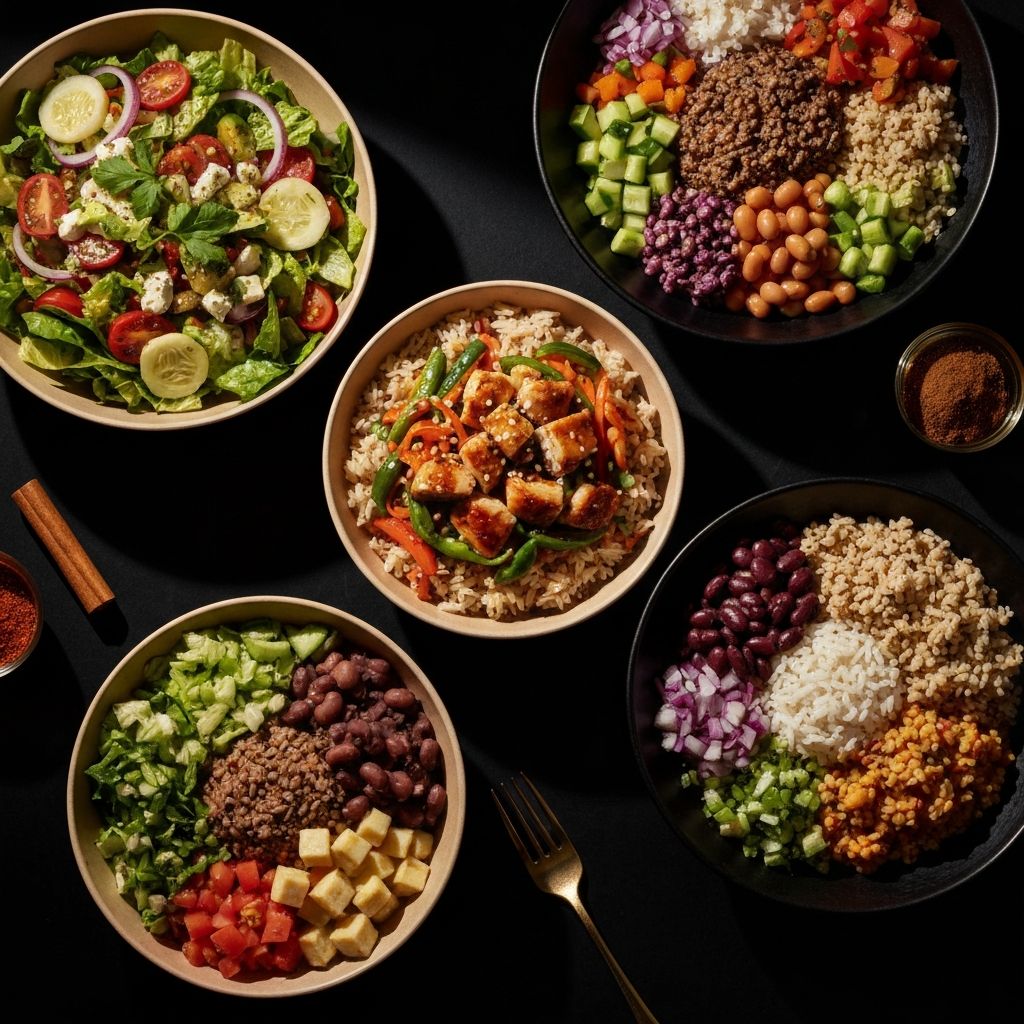
Mediterranean Dietary Pattern
Characterized by an emphasis on plant-based foods, olive oil as the principal fat source, legumes, whole grains, fish, and modest portions of dairy. This pattern, documented across countries bordering the Mediterranean Sea, has been the subject of extensive nutritional research exploring its constituent elements.
East Asian Dietary Traditions
Rice, vegetables, fermented foods, soy products, and seafood feature prominently in traditional East Asian culinary frameworks. The preparation methods—steaming, boiling, and minimal oil cooking—preserve distinct flavors and are frequently discussed in the context of nutrient retention during cooking.
Latin American Food Cultures
Corn, beans, squash, quinoa, and a wide range of indigenous fruits and root vegetables form the historical dietary foundation across Latin American regions, including Chile. The combination of legumes and grains in traditional cooking is noted in discussions of complementary plant proteins and regional food heritage.
Understanding Food Preparation Techniques
Cooking methods alter the physical and chemical properties of food. The following outlines several common techniques and their general implications as described in food science and nutritional literature.
Steaming
Food is cooked by exposing it to steam rather than direct immersion in water. Research in food science indicates that steaming may retain water-soluble vitamins to a greater degree than boiling, as nutrients are not leached into cooking liquid.
Baking
Dry heat applied in an enclosed environment, typically an oven. Baking can develop complex flavors through Maillard reactions and caramelization. The absence of added cooking fats distinguishes it from frying methods.
Boiling & Blanching
Immersion in hot water cooks food rapidly. Blanching—brief exposure followed by cooling—is discussed in food preservation contexts for its effect on enzyme activity within plant tissues.
Grilling & Roasting
High direct or radiant heat creates surface browning and flavor development. These methods are widely used across culinary traditions and are described in food chemistry as producing a distinct range of flavor compounds.
Sautéing & Stir-frying
Rapid cooking in a small amount of fat over high heat. These methods preserve the texture and color of vegetables and are a staple of many East Asian and Mediterranean culinary traditions.
Fermentation
A biological process where microorganisms transform food components. Fermented foods such as yogurt, kimchi, and sourdough are subjects of growing interest in microbiome and digestive health research circles.
The Fundamentals of Balanced Meal Composition
Nutritional science frequently discusses the concept of variety as a structural principle of dietary planning. The premise is that different food groups provide distinct nutrient profiles, and a diet drawing from multiple categories is more likely to supply a broader range of essential nutrients than one focused narrowly on particular foods.
The concept of moderation, often discussed alongside variety, refers to the proportional presence of different food types within a meal or across a day's intake. Neither concept prescribes specific quantities, but rather represents organizational principles used in dietary education frameworks globally.
Visual representations such as food plates or pyramids are educational tools used by various governmental and academic bodies to illustrate these proportional principles. They serve as communication frameworks rather than prescriptive formulas.
Key Organizing Concepts in Nutritional Education
- Variety across food groups
- Proportional representation of macronutrient categories
- Inclusion of fiber-rich plant foods
- Awareness of preparation methods and their effects
- Consideration of water and hydration as part of dietary intake

Dispelling Common Nutritional Misconceptions
A number of widely circulating beliefs about food and nutrition are not consistently supported by current scientific understanding. The following clarifications present prevailing research perspectives on several frequently discussed topics.
Nutritional research distinguishes significantly between types of dietary fat. Unsaturated fats, found in olive oil, avocados, and fatty fish, are associated in numerous studies with favorable outcomes related to cardiovascular function. Trans fats, artificially produced through hydrogenation, are the category most consistently linked to adverse health indicators in research literature. Saturated fats occupy a more debated position in current research. The concept of fat as a uniform category requiring elimination is not reflected in contemporary nutritional science.
Carbohydrates represent a chemically diverse category. Dietary fiber, a carbohydrate, is associated with satiety and digestive function in research literature. Complex carbohydrates from whole grains, legumes, and vegetables are digested differently from refined sugars. Body weight is understood in nutritional science as a product of many interacting variables including overall energy balance, metabolic factors, and activity levels. The characterization of all carbohydrates as problematic is not consistent with the nuanced view presented in nutritional research.
The term "processed food" encompasses a broad spectrum. Food processing includes methods such as pasteurization, fermentation, freezing, and drying, many of which are used to preserve nutrients, ensure safety, or extend shelf life. Nutritional research frameworks distinguish between minimally processed foods and ultra-processed products that contain significant added sugars, sodium, and synthetic additives. The blanket categorization of all processed foods as nutritionally inadequate simplifies a technically complex area of food science.
Meal frequency and timing are active areas of nutritional research with varying findings depending on study populations and methodologies. Some research explores intermittent fasting as a dietary framework, while other studies examine the effects of meal skipping on appetite regulation and subsequent food intake. Current nutritional science does not offer a consensus that meal skipping produces universally favorable outcomes. Individual metabolic responses, lifestyle factors, and overall dietary composition are all considered relevant variables in this discussion.

The Importance of Physical Activity in General Wellness
Physical movement is documented across health research as contributing to multiple aspects of physiological function, from cardiovascular efficiency to muscular maintenance and metabolic regulation. Its relationship to nutrition is explored as a complementary aspect of overall well-being.
Cardiovascular Function
Regular physical movement is associated with improvements in circulatory efficiency, resting heart rate variability, and vascular elasticity in exercise physiology literature.
Metabolic Regulation
Movement influences glucose metabolism and insulin sensitivity. Research in this area is extensive, particularly in the context of sedentary lifestyle studies across populations.
Muscular Maintenance
Skeletal muscle mass is recognized as metabolically active tissue. Its maintenance through physical activity is discussed in gerontological and general health research contexts.
Bone Density
Weight-bearing activities are described in bone health research as contributing to the stimulation of osteoblast activity, which plays a role in bone tissue formation and maintenance.
Psychological Well-being
Physical activity has been associated in behavioral science research with the release of endorphins and other neurochemicals linked to mood regulation and cognitive function.
Nutritional Synergy
Nutritional science frequently discusses dietary intake and physical activity as complementary variables. Adequate nutrient intake supports energy availability for movement, while activity influences nutrient requirements and utilization.
Resources for Further Learning
For those interested in deepening their understanding of nutritional science, the following categories of sources represent established, non-commercial avenues for research-based information.
- Peer-Reviewed Nutritional Science Journals Academic publications such as journals focused on nutrition, dietetics, and food science undergo rigorous editorial review. They represent the primary channel through which new research findings are disseminated within the scientific community.
- Government Nutritional Guidelines and Public Health Agencies Many national governments publish dietary guidelines developed by expert panels reviewing existing research. These documents are updated periodically to reflect evolving scientific consensus and are freely accessible to the public.
- University Research Departments and Academic Institutions Departments of nutrition, food science, and public health at universities produce ongoing research and often publish accessible summaries. Their institutional independence from commercial interests makes them a valuable reference category.
- World Health Organization (WHO) Publications The WHO publishes guidance documents, technical reports, and fact sheets on nutrition, food safety, and dietary patterns with a global perspective, drawing on systematic reviews of international research.
- Food and Agriculture Organization (FAO) of the United Nations The FAO produces reports on food composition, agricultural biodiversity, and nutritional policy that provide context for understanding global food systems and traditional dietary patterns.